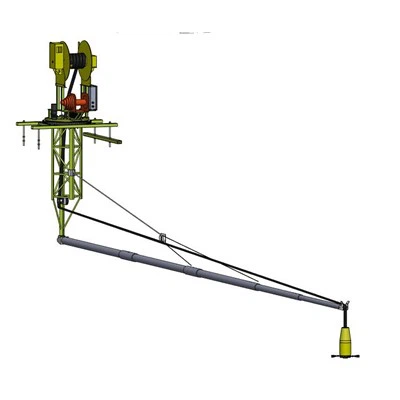
Calibrating a silo drill is a crucial process that ensures its optimal performance and longevity. As a leading silo drill supplier, we understand the importance of proper calibration and are here to guide you through the process. In this blog post, we will discuss the steps involved in calibrating a silo drill, the tools required, and some tips to ensure a successful calibration.
Understanding the Importance of Calibration
Before we dive into the calibration process, let's first understand why calibration is so important. A silo drill is a precision instrument used to drill holes in silos for various purposes, such as installing sensors, cleaning, or maintenance. If the drill is not calibrated correctly, it can lead to inaccurate drilling, which can result in damage to the silo or the equipment being installed. Additionally, an uncalibrated drill can cause excessive wear and tear on the drill bit, reducing its lifespan and increasing the cost of maintenance.
Tools Required for Calibration
To calibrate a silo drill, you will need the following tools:


- Calibration gauge: This is a precision instrument used to measure the accuracy of the drill. It is available in different sizes and types, depending on the drill you are using.
- Wrenches: You will need a set of wrenches to loosen and tighten the bolts and nuts on the drill.
- Screwdrivers: A set of screwdrivers will be required to adjust the settings on the drill.
- Level: A level is used to ensure that the drill is perfectly horizontal and vertical.
- Measuring tape: A measuring tape is used to measure the distance between the drill bit and the silo wall.
Steps for Calibrating a Silo Drill
Now that you have the necessary tools, let's go through the steps involved in calibrating a silo drill:
Step 1: Prepare the Drill
Before you start calibrating the drill, you need to prepare it for the process. This involves cleaning the drill and removing any debris or dirt that may be present on the drill bit or the body of the drill. You should also check the drill for any signs of damage or wear and tear. If you notice any issues, you should address them before proceeding with the calibration.
Step 2: Set the Drill to the Correct Speed
The first step in calibrating a silo drill is to set it to the correct speed. The speed of the drill will depend on the type of material you are drilling through and the size of the drill bit. You can refer to the manufacturer's instructions to determine the correct speed for your drill. Once you have set the speed, you should test the drill to ensure that it is running smoothly.
Step 3: Adjust the Depth of the Drill
The next step is to adjust the depth of the drill. This is important because it ensures that the drill does not drill too deep or too shallow. You can use a calibration gauge to measure the depth of the drill. To adjust the depth, you will need to loosen the bolts on the drill and move the drill bit up or down until it reaches the desired depth. Once you have adjusted the depth, you should tighten the bolts to secure the drill bit in place.
Step 4: Check the Alignment of the Drill
The alignment of the drill is crucial for accurate drilling. You can use a level to check the alignment of the drill. Place the level on the drill and adjust the drill until it is perfectly horizontal and vertical. You may need to use a wrench to loosen and tighten the bolts on the drill to adjust the alignment.
Step 5: Test the Drill
Once you have completed the calibration process, you should test the drill to ensure that it is working correctly. You can do this by drilling a test hole in a piece of scrap material. Check the hole to ensure that it is the correct size and depth and that the drill is drilling straight. If you notice any issues, you may need to repeat the calibration process.
Tips for a Successful Calibration
Here are some tips to ensure a successful calibration:
- Read the manufacturer's instructions: Before you start calibrating the drill, make sure you read the manufacturer's instructions carefully. This will ensure that you understand the calibration process and the specific requirements of your drill.
- Use the right tools: Using the right tools is essential for a successful calibration. Make sure you have all the necessary tools before you start the process.
- Take your time: Calibrating a silo drill is a precise process that requires patience and attention to detail. Take your time and make sure you do it right.
- Keep the drill clean: A clean drill is essential for accurate calibration. Make sure you clean the drill before and after each use.
- Regularly calibrate the drill: To ensure optimal performance, it is recommended that you calibrate the drill regularly. This will help to prevent any issues and ensure that the drill is always working correctly.
Related Products
In addition to silo drills, we also offer a range of other silo cleaning equipment, including Silo Cleaning Machine, Ultrasonic Dredging Machine, Sludge Suction Robot, Rotary Silo Cleaning Machine, and New Type Air Cannon. These products are designed to help you keep your silos clean and in good condition.
Contact Us for Purchase and Consultation
If you are interested in purchasing a silo drill or any of our other silo cleaning equipment, or if you have any questions about calibration or maintenance, please feel free to contact us. Our team of experts is always ready to assist you and provide you with the best solutions for your needs.
References
- Manufacturer's instructions for the silo drill
- Industry standards for silo drill calibration
- Technical manuals for silo cleaning equipment