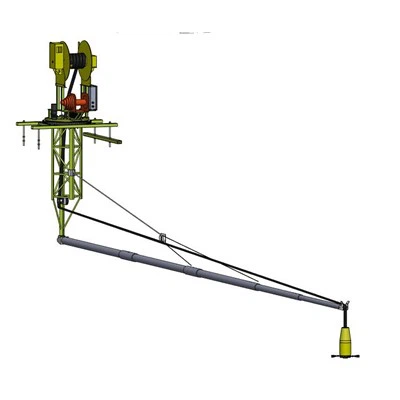
Hey there! I'm a supplier of silo cleaning equipment, and today I want to chat about something that doesn't get enough attention in our industry: the impact of humidity on silo cleaning equipment.
Let's start by understanding what humidity is and why it matters. Humidity refers to the amount of water vapor present in the air. High humidity means there's a lot of moisture floating around, while low humidity indicates a drier environment. In the context of silos, humidity can have a significant effect on both the stored materials and the cleaning equipment.
How Humidity Affects Stored Materials in Silos
Before we dive into the impact on cleaning equipment, it's important to understand how humidity affects the materials stored in silos. Most silos are used to store grains, powders, or other bulk materials. When the humidity is high, these materials can absorb moisture from the air.
For grains, this can lead to mold growth and spoilage. Mold not only ruins the quality of the grains but can also produce toxins that are harmful to humans and animals. Powders, on the other hand, can clump together when they absorb moisture. This clumping makes it difficult to discharge the materials from the silo and can also lead to blockages.
Impact of Humidity on Silo Cleaning Equipment
Now, let's talk about how humidity affects our silo cleaning equipment. There are several ways in which high humidity can cause problems for our machines.
Corrosion
One of the most significant impacts of high humidity is corrosion. When the air is humid, the moisture in the air can react with the metal parts of the cleaning equipment. This reaction forms rust, which weakens the metal and can eventually lead to structural failure.
For example, the frames of our Rotary Silo Cleaning Machine are made of metal. If they are exposed to high humidity for a long time, the rust can eat away at the metal, making the machine less stable and more prone to breakdowns.
Electrical Malfunctions
Humidity can also cause electrical malfunctions in our equipment. Water is a good conductor of electricity, and when moisture gets into the electrical components of the cleaning machines, it can short-circuit the system.
Our Sludge Suction Robot relies on electrical systems to operate. If the humidity is too high, the electrical connections can become corroded, and the robot may stop working properly. This not only disrupts the cleaning process but can also be dangerous if the robot malfunctions during operation.
Reduced Efficiency
High humidity can also reduce the efficiency of our cleaning equipment. When the stored materials are moist due to high humidity, they tend to stick to the surfaces of the silo and the cleaning equipment. This makes it more difficult for the equipment to remove the materials effectively.
For instance, our Silo Drill is designed to break up compacted materials in the silo. But if the materials are wet and sticky, the drill may not be able to penetrate them as easily, resulting in longer cleaning times and increased energy consumption.
Lubrication Issues
Another problem caused by high humidity is lubrication issues. Lubricants are used to reduce friction between moving parts in our cleaning equipment. However, when the humidity is high, the moisture in the air can mix with the lubricants, causing them to break down and lose their effectiveness.
Our New Type Air Cannon has moving parts that require proper lubrication. If the lubricant is affected by humidity, the parts may not move smoothly, leading to increased wear and tear and potentially reducing the lifespan of the equipment.
How to Mitigate the Impact of Humidity
So, what can we do to mitigate the impact of humidity on our silo cleaning equipment? Here are some strategies:
Proper Storage
One of the simplest ways to protect our equipment from humidity is to store it in a dry place. When the equipment is not in use, it should be stored in a climate-controlled environment where the humidity can be regulated. This can significantly reduce the risk of corrosion and electrical malfunctions.
Regular Maintenance
Regular maintenance is crucial for keeping our equipment in good condition, especially in a humid environment. We should regularly inspect the equipment for signs of corrosion, electrical problems, and lubrication issues. Any damaged parts should be replaced immediately to prevent further damage.
Use of Protective Coatings
Applying protective coatings to the metal parts of the equipment can help prevent corrosion. These coatings act as a barrier between the metal and the moisture in the air, reducing the risk of rust formation.


Dehumidification
In some cases, it may be necessary to dehumidify the silo environment. This can be done using dehumidifiers or by improving the ventilation in the silo. By reducing the humidity in the silo, we can not only protect the stored materials but also extend the lifespan of our cleaning equipment.
The Role of Our Silo Cleaning Equipment in a Humid Environment
Despite the challenges posed by humidity, our silo cleaning equipment is designed to be robust and reliable. Our Carbon Dioxide Co2 Cannon cardox, for example, is built to withstand harsh conditions, including high humidity. It uses carbon dioxide to create a powerful blast that can break up even the most stubborn blockages in the silo.
Our Rotary Silo Cleaning Machine is also designed to be efficient in a humid environment. Its rotating brushes can effectively remove sticky materials from the silo walls, even when the humidity is high.
Conclusion
In conclusion, humidity can have a significant impact on silo cleaning equipment. It can cause corrosion, electrical malfunctions, reduced efficiency, and lubrication issues. However, by taking the right precautions, such as proper storage, regular maintenance, use of protective coatings, and dehumidification, we can mitigate these effects and ensure that our equipment performs at its best.
If you're in the market for silo cleaning equipment and want to learn more about how our products can handle the challenges of a humid environment, don't hesitate to reach out. We're here to help you find the best solutions for your silo cleaning needs.
References
- Smith, J. (2020). The Effects of Humidity on Industrial Equipment. Journal of Industrial Maintenance, 15(2), 45-52.
- Johnson, A. (2019). Mitigating the Impact of Humidity on Silo Operations. Silo Management Review, 22(3), 67-74.